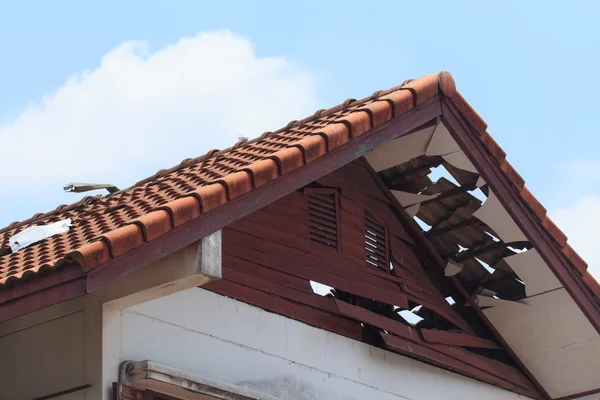
If a section of your roof becomes damaged, it needs to be addressed immediately. This includes any damage caused by hail, high winds, or heavy rain that causes immediate leaks or structural damage.
This type of repair can involve emergency tarping services and boarding up the building, which will help prevent further damage from occurring inside the home. It also requires a thorough inspection and estimate process.
Identifying the Damage
Your roof is one of the most critical parts of your home. It protects you from harsh elements, seals your home to conserve energy, and helps maintain the structural integrity of your building. However, sometimes disasters strike that threaten your roof’s integrity, such as severe storms or damage from rodents.
If your roof is damaged, it’s important to recognize the signs and take immediate action. Some signs include the presence of water leaks in your home or attic, a hole in the roof that’s big enough to let light in, or granule loss (bald spots on the shingles).
If you suspect you have a roof emergency, contact a roofing contractor immediately. Do not attempt to make any repairs yourself unless you have the proper training and tools.
Makeshift repairs can cause further damage and may reduce your resale value down the road. If possible, document the damage with clear photos and videos to expedite insurance claims and ensure you receive appropriate coverage.
Inspecting the Area
The roof is a critical component of any home. It protects the interior from weather, seals the structure to allow for efficient heating and cooling, and maintains structural integrity. As such, any damage to the roof should be viewed as an emergency and addressed immediately by a roofing professional.
If the roof is compromised by a tree that has fallen on it, for example, it may be necessary to evacuate the home until a pro can inspect the site and secure it. It’s also a good idea to have contact information for a reputable roofing company handy, especially during inclement weather, so homeowners can call for immediate assistance.
Once personal safety is established, homeowners can begin assessing the damage to the roof from the ground or through windows. Using binoculars, they can check for missing or damaged shingles and look for other signs of trouble such as exposed underlayment or the presence of moisture or debris.
Providing Temporary Protection
The roof is the most basic and most essential part of a home, protecting its inhabitants and belongings from inclement weather. However, a sudden storm or other natural disaster can cause severe damage that requires immediate action.
The first thing homeowners need to do is assess the damage, ideally from the ground or through windows. This visual inspection will help homeowners understand the scope of the problem and communicate it clearly to professionals. It’s also important to document the damage through photographs and notes, as this will be valuable for insurance claims.
If it’s safe to do so, homeowners should cover the damaged areas with tarps to prevent further elemental damage. They may also need to sand down or replace weakened roofing materials.
If the roof is severely compromised, a professional like premiercommercialroofing.com they give the homeowner an estimate for emergency repairs. In the meantime, homeowners can use duct tape to seal loose flashing and small holes or to hold rubber sheets in place.
Estimating the Cost
Your roof is an integral part of your home, shielding it from the elements. It’s easy to take your roof for granted until a tree limb crashes into it or you discover extensive water damage in your attic after a storm.
A professional roofer should be able to handle most emergency repairs quickly and efficiently. The first step in the process is to carefully survey and assess the extent of the damage. This includes taking detailed notes and photographs of the damage, as well as identifying areas that need immediate attention.
The next step is to provide temporary protection. This can involve tarping the affected area or putting up emergency boards if necessary.
This will prevent further damage to the interior of your house, as well as buy you time until a professional can arrive. If possible, you should also try to remove debris or objects from the area if it’s safe to do so.